Source moisture proof watch display tray for stores, exhibitions, and homes
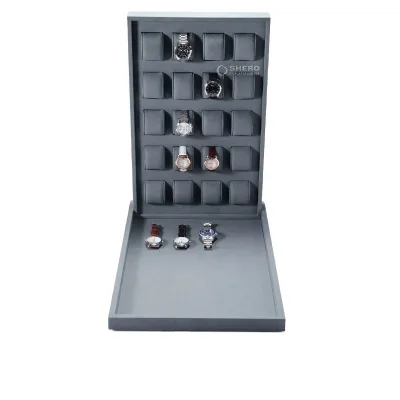
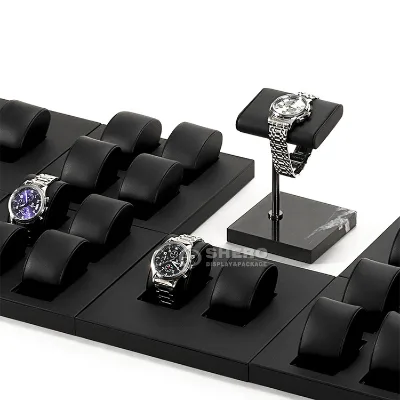
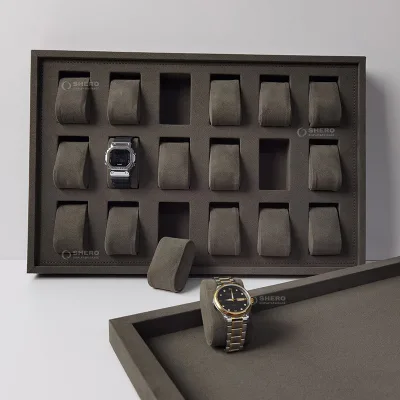
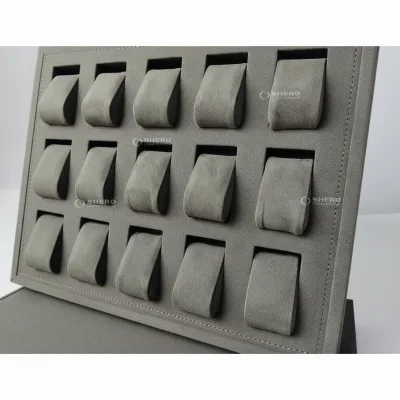
Compare 30 listings for moisture proof watch display tray options suitable for specialty stores, exhibitions, and home use. These non-disposable units feature eco-friendly materials and customizable designs to meet diverse storage needs.
Key considerations
Products List


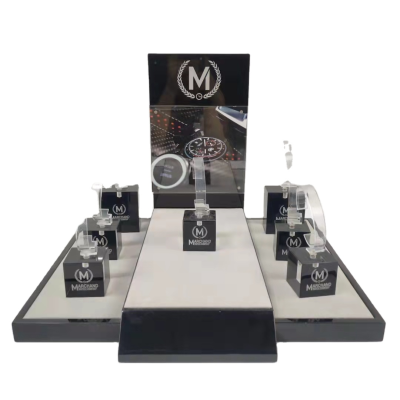
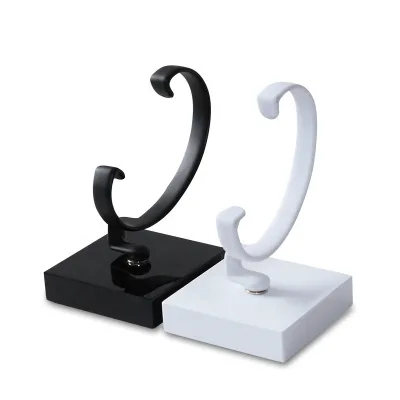
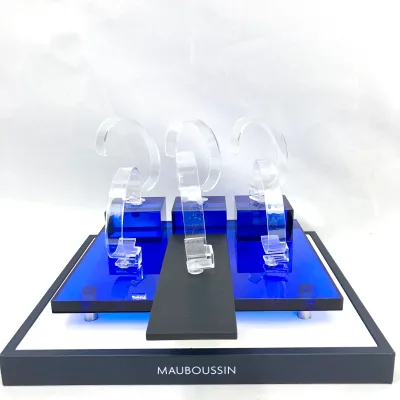


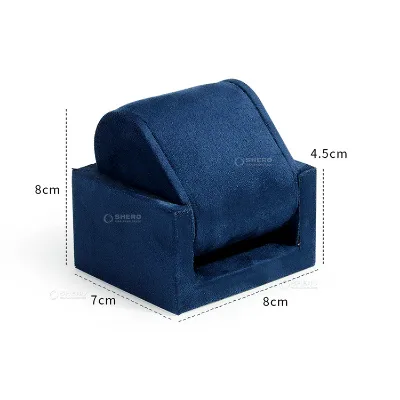


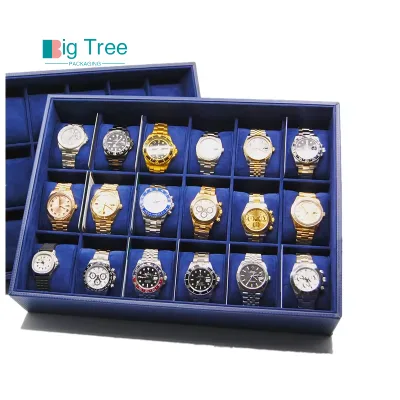


Comprehensive Sourcing Guide
Moisture Proof Watch Display Tray Sourcing Guide
Sourcing moisture-proof watch display trays requires a nuanced understanding of material science and environmental control, particularly when balancing aesthetic appeal with functional durability. While the term "moisture proof" suggests a high degree of water resistance, procurement teams must carefully distinguish between water-resistant finishes and fully waterproof enclosures. In the current market, many suppliers offer trays made from bamboo, wood, or composite materials that are treated to resist humidity and minor spills, rather than submersible or hermetically sealed units. Buyers should approach product listings with the understanding that "moisture proof" often refers to surface treatments or sealed joints rather than the inherent properties of the base material, especially when natural fibers like wood are involved.
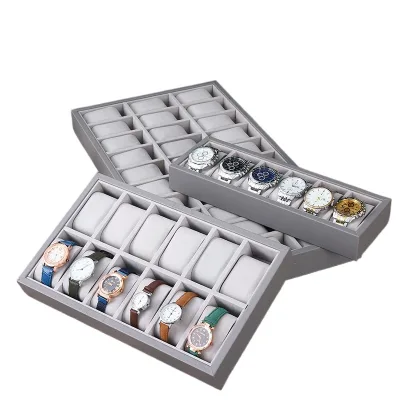
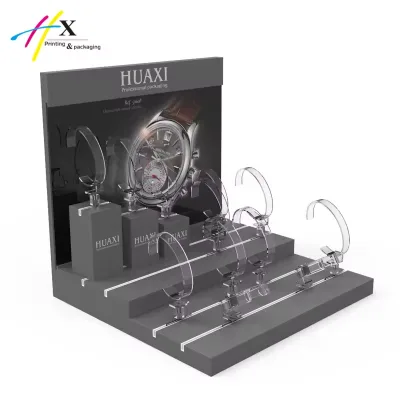
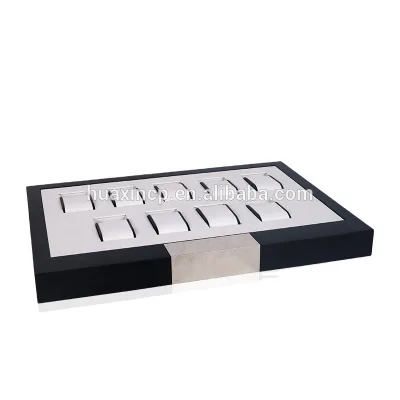
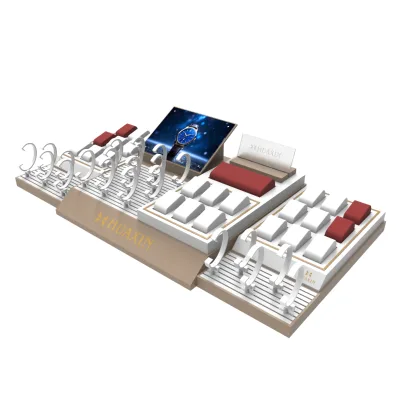
The procurement landscape for these items is diverse, ranging from simple open trays to complex clamshell cases with integrated locking mechanisms. Observed product data indicates a wide variance in specifications, including models designed for specific bit counts such as 6-bit, 12-bit, or 24-bit watch holders. These variations directly impact the internal volume and the effectiveness of any moisture barrier provided. Furthermore, the intended usage environment plays a critical role in selection; trays destined for high-humidity retail windows or tropical climates require different protective standards than those used in dry, air-conditioned exhibition halls. Understanding these distinctions is vital for aligning supplier capabilities with actual operational needs.
Product Scope and Observed Listing Signals
Current market listings reveal a broad spectrum of display solutions, with price points ranging from approximately $0.20 to $215 USD, reflecting significant differences in material quality, complexity, and customization levels. The majority of observed products are categorized as non-disposable and feature eco-friendly attributes, suggesting a market trend toward sustainable materials like bamboo and wood. However, buyers must scrutinize the specific material composition, as some listings specify composite materials or high-grade wood, which may offer different moisture resistance profiles compared to raw bamboo. The presence of logo printing and customization options is widespread, indicating that most suppliers are equipped to handle branded orders, but this often comes with minimum order quantity (MOQ) requirements that can range from 1 to 2,000 units.
Visual and structural attributes observed in listings include square and rectangular shapes, with some models featuring clamshell opening mechanisms for enhanced security and protection. While many products are marketed with features like dustproofing and storage functions, explicit claims of being "waterproof" are notably absent or marked as "not waterproof" in several high-confidence data points. This discrepancy highlights the importance of verifying the actual level of moisture protection offered. Some products are designed for specific purposes, such as watch display holders or jewelry set boxes, and may include internal trays or compartments that further define their utility. Buyers should treat general marketing terms like "moisture proof" as starting points for inquiry rather than guaranteed specifications.
Technical Specifications to Verify
When evaluating technical specifications, the first priority is to confirm the exact material composition and its treatment process. For wooden or bamboo trays, verify whether the surface has been sealed with varnish, lacquer, or other hydrophobic coatings that enhance moisture resistance. Composite material trays may offer more consistent performance but require verification of the binding agents used, as these can degrade in high humidity if not properly formulated. Additionally, check the hardness rating of the material; partial hardness may indicate a softer finish that is more susceptible to moisture damage over time compared to fully hardened surfaces. Buyers should request detailed material safety data sheets (MSDS) or technical cut sheets to understand the chemical composition of any coatings applied.
Dimensional accuracy and internal configuration are equally critical for functional performance. Verify the single package size and overall dimensions to ensure the tray fits within standard retail shelving or display cases. For watch-specific trays, confirm the bit count and the adjustability of the internal holders, as rigid structures may not accommodate all watch sizes, potentially leading to improper fitting or damage. The presence of compartments and dustproof seals should be physically inspected or verified through high-resolution images and videos. Furthermore, assess the structural integrity of the opening mechanism, such as clamshell hinges, to ensure they remain functional in varying humidity levels, as metal components may corrode if not properly treated.
Compliance and Safety Documentation
Compliance documentation for display trays often centers on material safety and environmental standards rather than electrical or mechanical safety. Buyers should verify if the supplier adheres to recognized quality management systems, such as ISO 9001 for quality control and ISO 14001 for environmental management, which can indicate a more rigorous approach to material sourcing and production consistency. While specific standards like ISO 6425 or EN 1143-1 are mentioned in broader industry contexts, they are not directly applicable to passive display trays and should not be assumed to be relevant without explicit confirmation from the supplier. Instead, focus on certifications related to wood sourcing, such as FSC (Forest Stewardship Council), if sustainability is a key procurement criterion.
Packaging and labeling compliance is another area requiring attention, especially for international shipments. Ensure that the product packaging meets the destination country's requirements for hazardous materials, particularly if chemical coatings are used. Verify that the gross weight and dimensions provided by the supplier are accurate for logistics planning, as discrepancies can lead to unexpected shipping costs. Additionally, check for any required labeling regarding material composition, such as "Made in China" or specific wood species identification, which may be mandated by customs regulations. Buyers should also inquire about the supplier's ability to provide test reports for formaldehyde emissions or other volatile organic compounds (VOCs) if the trays are intended for indoor retail environments.
Cost Drivers and Commercial Terms
The cost of moisture-proof watch display trays is influenced by several key factors, including material selection, customization complexity, and order volume. High-grade wood and bamboo typically command higher prices than composite materials, but they may offer better aesthetic appeal and perceived value. Customization options, such as logo printing, specific color finishes (e.g., gray or white matte), and unique dimensions, add to the unit cost due to setup fees and reduced production efficiency. Buyers should negotiate tiered pricing structures that reflect increasing order volumes, as MOQs can vary significantly between suppliers. Understanding the breakdown of costs helps in identifying areas where savings can be achieved without compromising quality.
Commercial terms, including payment methods, lead times, and warranty policies, are critical components of the procurement agreement. Suppliers may offer OEM services and accept customer orders, but lead times can vary based on the complexity of the design and the current production load. Buyers should clarify the definition of "moisture proof" in the contract to avoid disputes over product performance in specific environments. Additionally, verify the return and replacement policies for defective items, particularly those related to structural failures or coating peeling. Clear communication regarding shipping terms, such as FOB or CIF, is essential to manage logistics costs and risk allocation effectively.
Supplier Qualification and Quality Control
Supplier qualification should begin with a thorough review of their manufacturing capabilities and quality control processes. Verify the supplier's location, with many manufacturers based in regions like Guangdong, China, known for their expertise in wood and composite product manufacturing. Request evidence of their production capacity, including the number of production lines and workforce size, to ensure they can meet your volume requirements. Assess their quality control protocols, including in-process inspections and final random inspections, to ensure consistency in moisture resistance and structural integrity. Suppliers who invest in rigorous QC processes are more likely to deliver products that meet specified standards.
Reference checks and sample evaluations are indispensable steps in supplier selection. Request physical samples to test the actual moisture resistance of the product under controlled conditions, such as exposure to high humidity or simulated spills. Evaluate the finish quality, hinge durability, and overall craftsmanship of the samples. Additionally, ask for references from existing clients, particularly those in the retail or jewelry sectors, to gauge the supplier's reliability and customer service. Be cautious of suppliers who cannot provide detailed information about their material sourcing or production processes, as this may indicate a lack of transparency or control over quality.
Long-Term Procurement Checks
Long-term procurement success depends on establishing a robust framework for ongoing supplier performance monitoring and product lifecycle management. Implement regular audits or periodic sample testing to ensure that the supplier maintains consistent quality standards over time. Monitor any changes in material composition or production processes that could affect the moisture resistance or durability of the trays. Establish clear communication channels for reporting issues and resolving disputes promptly, fostering a collaborative relationship that benefits both parties. Regularly review market trends and technological advancements in display materials to identify opportunities for improvement or cost reduction.
Sustainability and regulatory compliance should remain top priorities throughout the procurement lifecycle. Stay informed about evolving environmental regulations and consumer preferences for eco-friendly products, ensuring that your supply chain aligns with these expectations. Continuously evaluate the environmental impact of the materials used, considering options for recycled or sustainably sourced components. By maintaining a proactive approach to supplier management and product development, buyers can mitigate risks and ensure the long-term success of their watch display tray procurement strategy.
FAQs
What materials are used for the watch display trays?
The trays are constructed from bamboo, wood, and composite materials. These options provide a sturdy structure while maintaining an eco-friendly profile suitable for various retail environments.
Can these trays be customized with a logo?
Yes, logo printing is available on the display trays. This customization allows brands to enhance their visibility when the trays are used in specialty stores, supermarkets, or home settings.
What is the minimum order quantity for these products?
The minimum order quantity ranges from one to two thousand units depending on the specific model selected. Buyers should verify the exact MOQ for their chosen model number before placing an order.
Are the watch display trays waterproof?
No, the trays are not waterproof. They are designed for indoor use in exhibition shows and stores, so they should be kept away from direct moisture or water exposure.
Which certifications do the manufacturers hold?
Manufacturers adhere to ISO9001 and ISO14001 quality control standards. These certifications ensure that the production processes meet international requirements for quality and environmental management.
What is the origin of these display trays?
The products originate from Guangdong, China. This location is a known hub for manufacturing wooden and composite display solutions for the global market.
How are the trays packaged for shipping?
The trays are packed in cartons for safe transport. This packaging method protects the items during transit and ensures they arrive in good condition for retail display.